


Doshisha University
VISION
共に知る、共に変わる
With a Good Conscience
Introduction
はじめに
同志社の創立者・新島襄が遺した数々の言葉は、時代を超え、今もなお私たちに語りかけ、同志社大学の進むべき道を考える上での羅針盤として、私たちの支えとなっています。同志社オリジン(「キリスト教主義」「自治自立」「良心」などの建学の理念)を再発見・再解釈し、唯一無二の誇りある輝きをもって社会を照らし、次世代社会のための新しい価値を生み出すことは、本学が担うべき固有の使命です。
創立150 周年を迎えた本学は、未来に向けた中核的ビジョンとして「共に知る、共に変わる With a Good Conscience」を掲げます。「共に知る」とは「conscience(良心)」の原義であり、重要な局面で良心を語った新島の理念を受け継ぎ、実践するという意味を込めました。新島にとって、良心は自由と真理と深く結びつき、既存の秩序を超えて、人を新たなステージへと押し出す力でした。また新島は、新しい教育によって、人と社会を変える(再生する)ことができるという強い信念を持っていました。本学が150 年の伝統に甘んじることなく、「共に知り、共に変わる」挑戦を続けることによってこそ、良心を社会にあまねく広めていくことができるでしょう。この挑戦を具体化するため、5つのビジョンを定めました。
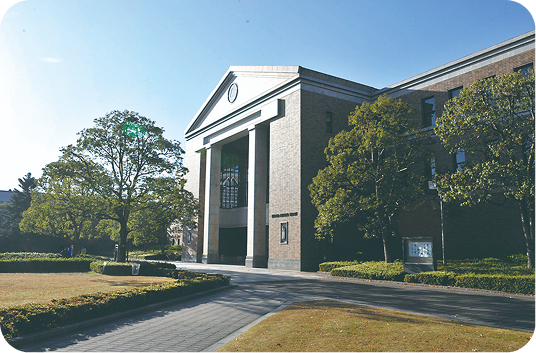
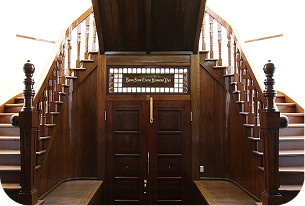
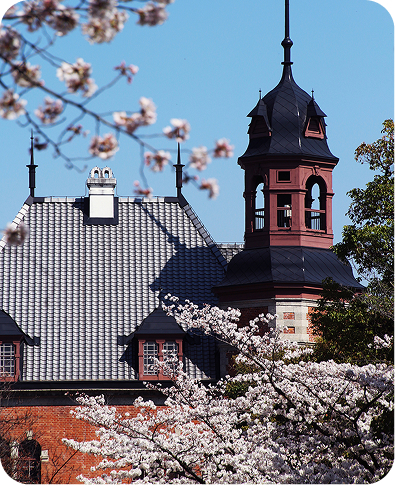
5 visions


vision01
良心に基づいた総合知の展開と「智徳並行」教育の深化
Balance of Knowledge and Morality
基礎的・俯瞰的な教養と専門知を組み合わせ、新たな価値を生み出す総合知を、本学が独自の形で発展させます。徳育の基盤としてのキリスト教主義や良心を本学の強みとして生かし、同志社教育の核心とされてきた「智徳並行」教育(知識の習得とそれを適切に制御する倫理観の育成の両立)を推進します。
また、分断と対立が深まる世界の中で、社会の課題に向き合い、困難の中にある人々を支えるためにも、自ら考え自ら行動する「自治自立」の精神、常識にとらわれず、現状に甘んじることのない「倜儻不羈(てきとうふき)」の精神をもつ人物が求められます。さらに「共に知る」良心によって、対立する価値観をとりなし、世界の人々の良心を鼓舞することのできる、深い思考力と実践力を備えた人物を輩出していきます。

vision02
京都との共創から生み出される新たな社会貢献
Social Contributions through Co-creation with Kyoto
本学は、京都の特質と結びついた「伝統と革新」を併せ持った教育・研究・社会貢献のフロンティアとなって、地域社会およびグローバル社会が抱える複雑な課題に真摯に向き合い、産官学連携を通じて地域社会の活性化を図り、日本のみならず世界に対して新たな社会形成のモデルを提示していきます。さらに、京都から巣立っていった数多くの卒業生とも連携しながら、学生が学業のみならず、スポーツや文化活動などを通じて、自らを成長させ、社会に貢献していくための場を作っていきます。

vision03
隣人愛に基づく「国際主義」の実践
"Internationalism" Based on Love for One's Neighbor
欧米によって先導されてきた国際秩序が揺らぐ中、本学は、国や文化の違いを超え「共に知る」能力を備えた真の国際人を育てていきます。偏狭な愛国心から自由になって、世界の一人ひとりを愛することの大切さを訴えた新島にとって、キリスト教に基づいた隣人愛と「国際主義」は一体的なものでした。このような伝統を生かすことにより、困難な状況にある人々に目を向け、確かな歴史認識をもって平和のために協働できる人物を育成します。また、幅広い国や地域から多様な人々を迎え入れた世界の縮図となる多文化共生キャンパスを形成します。

vision04
多元的イノベーションを引き起こす研究基盤の形成
Multidimensional Innovations
本学は、人類の知の地平を広げる基礎研究と、現代社会が直面する課題の解決を目指す応用研究を共に推進します。自然科学を主とした科学技術イノベーションと人文・社会科学を軸とした社会的・倫理的イノベーションの結合による「多元的イノベーション」を生み出し、社会に変化を促す中核となります。また、産官学連携の文理融合的教育プログラムの拡充などによって、研究と教育の高次の循環の中に学生を招き入れ、良心を備えた新しい時代の担い手を輩出します。

vision05
新たな時代へのゲートウェイとなるキャンパスの創造と連携
Campuses as Gateways to a New Era
新島が大学の理想像として強調した「深山大沢(しんざんだいたく)」は、様々な個性を生かし育む、多様性と驚きに満ちた場所であり、また、未知の世界へのゲートウェイともなる場所でした。本学は、かつて新島が描いた「深山大沢」としての大学の理想を現代において実現します。そのために本学は「人」「自然環境」「デジタル技術」が調和する学びの場を作ります。さらに、今出川校地と京田辺校地という2つの物理的拠点を有機的に連携させるとともに、バーチャル空間を活用した柔軟で多様な学びの環境を融合させることで、場所や時間を超えた知的交流を実現します。
Introduction
The words of Joseph Hardy Neesima, the founder of Doshisha, still give us timeless inspirations and guide us as a compass in deciding what path the university should take, as well as give our school unparalleled uniqueness and pride. It is Doshisha’s inherent mission to “re-discover” and “re-interpret” Doshisha Origins (our founding philosophies including “Christian principles,” “self-governing independence,” and “conscience”), to illuminate society with a unique and proud brilliance, and to create new values for future generations.
Neesima spoke about “conscience” on important occasions as it was, for him, deeply connected with freedom and truth and was a force that pushes people up to a new stage beyond the existing system. The role expected of Doshisha University is quite big in the era when the world is increasingly divided and confused. Although Japanese universities face severe challenges in the era of rapidly declining birthrate, Doshisha University needs to pursue reforms instead of being content with the status quo in order to pass on its traditions cultivated and valued over 150 years to future generations. It is only by “knowing together (original meaning of the word conscience) and changing together” that we can spread to society the idea of “conscience,” which is at the core of Neesima’s philosophy.
Neesima had a strong belief that people and society can be changed and revitalized through a new form of education. As inheritors of Neesima’s belief, faculty and staff of Doshisha University will go back to this origin and think and work together for the institution’s future according to the following vision.
5 visions
vision01
Developing Comprehensive Knowledge Based on Conscience and Deepening Education of “Balancing Knowledge and Morality”
Doshisha University will develop its own unique form of comprehensive knowledge that creates new values by combining foundational, broad-based liberal arts education with specialized expertise. Leveraging our strengths, including Christian principles as the foundation for moral education and conscience, we promote our core education of “balancing knowledge and morality” (acquisition of knowledge and cultivation of morality to appropriately control the knowledge at the same time).
In order to confront social issues and support people in suffering amidst the deepening divides and conflicts of the world, people who have both the “self-governing and independent” spirit to think and act on their own, and the “extraordinary” spirit of not being bound by conventions nor complacent with the current state are needed. In addition, we produce individuals who have the ability to think deeply and to put ideas into practice, who can mediate conflicting values with the conscience of “knowing together” as well as encourage the conscience of people in the world.
vision02
A New Form of Social Contribution Created in Collaboration with Kyoto
Doshisha University will be a frontier of education, research and social contribution that embodies both tradition and innovation, the same characteristics as Kyoto, and present a model of a new society to both Japan and the world through our earnest commitment to tackling complex issues facing the local and global societies, and our effort to revitalize the local community through collaboration with the industry and the government. Furthermore, as we collaborate with our alumni who have gone out from Kyoto, we will create opportunities for students to develop themselves and contribute to society through academic as well as sports and cultural activities.
vision03
Practicing “Internationalism” Based on Neighborly Love
Now that the international order led by Western countries is undermined, Doshisha University is committed to nurturing true cosmopolitans with the ability to “know together” beyond national and cultural differences. For Neesima, who emphasized the importance of setting oneself free from insular patriotism and loving each person in the world, Christian neighborly love and “Internationalism” were one unified thing. We aim to apply this tradition in cultivating individuals who can pay attention to people in difficult situations and work together for peace with a solid understanding of history. At the same time, we will create a multicultural campus that acts as a microcosm of the world, welcoming people from diverse backgrounds across many countries and regions.
vision04
Forming a Research Infrastructure that Creates Multidimensional Innovations
Doshisha University concurrently promotes basic research that expands the horizon of human knowledge and applied research that aims to solve problems facing the contemporary society. We create “multidimensional innovations” with the combination of scientific and technological innovations based on natural science and social and ethical innovations based on arts and social science, assuming a central role of facilitating change in society. In addition, with the expansion of integrated arts and sciences education programs in collaboration with the industry, the government, and other initiatives, we invite students into the high-level cycle of research and education, producing leaders of the new era equipped with conscience.
vision05
Creating and Coordinating Campuses that Serve as a Gateway for a New Era
“Deep forests and large lakes,” which Neesima emphasized as his ideal image of university, was a place of diversity and wonder that encouraged and nurtured different individualities, and a gateway to an unknown world. Doshisha University aims to realize the ideal university that Neesima envisioned as “deep forests and large lakes” in the present day. For this purpose, we will create a learning space where people, natural environment and digital technologies coexist in harmony. Furthermore, we will realize intellectual exchanges that transcend time and space through the organic coordination between our two physical locations, Imadegawa and Kyotanabe Campuses, as well as by integrating them with flexible and diverse learning environment utilizing virtual spaces.